Disclaimer: The information in this article is for general educational purposes only and does not constitute legal advice. Every case is different, and recovery options after an uninsured or hit-and-run crash depend heavily on the specific facts and insurance coverage involved.
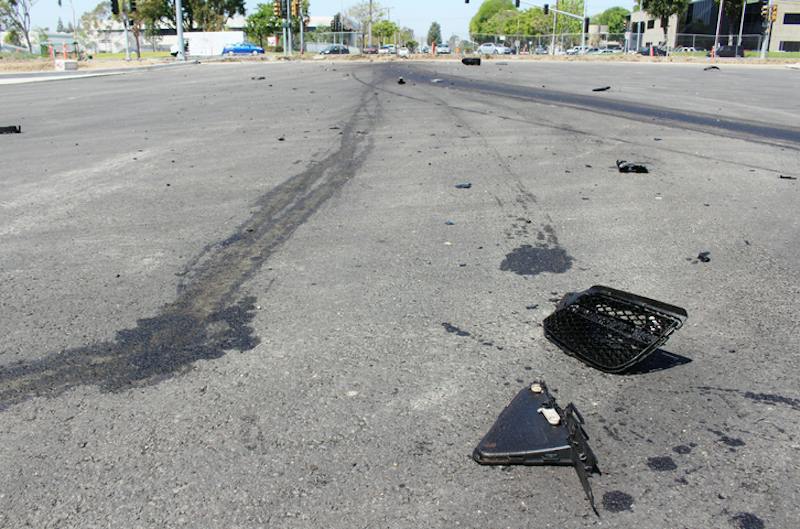
If the driver who hit you in Clearwater was uninsured or fled the scene, you can still pursue compensation through your own Personal Injury Protection coverage, your Uninsured Motorist coverage if you carry it, and in some cases through other liable parties beyond the driver. Florida's no-fault insurance system means your own policy responds first, regardless of who caused the crash or whether that driver is ever identified.
Carlson Hayslett, P.A., has represented injured victims throughout Clearwater and the greater Tampa Bay area for over 50 years, including many hit-and-run and uninsured motorist cases. This article walks through what to do in the first 24 hours, the deadlines that apply, and the coverage sources available to you.
What to Do in the First 24 Hours After a Hit-and-Run in Clearwater
The steps you take immediately after a hit-and-run crash can directly affect whether the driver is ever identified and whether your claim is fully protected. We suggest the following:
- Call 911 immediately and report the crash as a hit-and-run so police can begin an investigation while the evidence is fresh.
- Write down or photograph anything you observed about the other vehicle: color, make, partial license plate, and direction of travel.
- Ask nearby businesses or residents whether they have surveillance or dash cam footage.
- Seek medical attention right away, even if you feel only mildly injured, since Florida's no-fault system ties your medical benefits to how quickly you are seen.
- Notify your own insurance company of the crash as soon as reasonably possible, since delayed notice can complicate an Uninsured Motorist claim.
Deadlines That Apply After an Uninsured or Hit-and-Run Crash
- Florida's 14-day rule for PIP: Under Florida Statute § 627.736(1)(a), you must receive initial medical services and care within 14 days of the crash to qualify for Personal Injury Protection benefits at all.
- Two-year statute of limitations for negligence claims: Florida Statute § 95.11(5)(a) generally requires a negligence lawsuit to be filed within two years for crashes occurring on or after March 24, 2023.
- Insurer notice provisions: Your own policy may require prompt notice of a hit-and-run or uninsured motorist claim, so delaying that call to your insurer can create avoidable disputes.
How Florida PIP Covers You When the Other Driver Has No Insurance
Florida is a no-fault state, which means your own Personal Injury Protection coverage pays your initial medical bills and a portion of lost wages regardless of who caused the crash or whether the at-fault driver carried insurance at all.
Under Florida Statute § 627.736, PIP generally covers 80 percent of reasonable medical expenses and 60 percent of lost wages, up to a combined limit of $10,000, provided you meet the 14-day treatment deadline.
This means that even if the driver who hit you is never identified, your own PIP coverage still applies to your immediate medical costs and lost income, up to your policy's limits.
What Uninsured Motorist (UM) Coverage Pays For
Uninsured Motorist coverage is a separate, optional coverage on your own auto policy that pays for damages the at-fault driver would have owed you if they had carried liability insurance, or if their coverage was insufficient to cover your losses.
Unlike PIP, UM coverage can compensate you for pain and suffering and damages beyond the $10,000 PIP cap, once your injuries meet Florida's legal threshold for stepping outside the no-fault system.
UM coverage typically applies whether the at-fault driver:
- Had no insurance at all,
- Fled the scene and was never identified, or
- Carried insurance with limits too low to cover your full damages (sometimes called underinsured motorist coverage).
Not every Florida driver carries UM coverage, since insurers are only required to offer it, and drivers can reject it in writing. Reviewing your own policy declarations page is the fastest way to confirm whether you have this coverage and at what limits.
Other Sources of Recovery Beyond PIP and UM
Depending on the circumstances of the crash, there may be additional sources of recovery available:
- If a business, property owner, or another driver contributed to the accident, such as through inadequate lighting in a hit-and-run incident in a parking lot, you may have a separate third-party liability claim.
- If you have MedPay coverage, it can help cover out-of-pocket medical expenses that exceed what Personal Injury Protection (PIP) pays.
- Health insurance may also cover treatment costs that exceed what PIP pays, though this may be subject to any subrogation or lien rights your health insurer may have.
Can You Still Recover If the Driver Is Never Identified?
Yes. Florida law does not require the at-fault driver to be identified for you to recover through your own PIP and Uninsured Motorist coverage. Uninsured Motorist coverage specifically exists to fill this gap, since a driver who fled the scene and was never caught is functionally indistinguishable, from a coverage standpoint, from a driver who was never insured in the first place.
How Clearwater Hit-and-Run Drivers Get Identified
Law enforcement uses several tools to identify hit-and-run drivers, including traffic camera and red-light camera footage where available, nearby business or residential surveillance video, license plate reader data, vehicle debris left at the scene, and tips from witnesses. An attorney can also help preserve and request footage from nearby businesses before it is overwritten, since many private surveillance systems record on a short rolling loop.
Criminal Penalties for Leaving the Scene in Florida
Leaving the scene of a crash in Florida is a criminal offense under Florida Statute § 316.027, and the severity of the charge depends on the harm caused:
- Leaving the scene of a crash involving injury is a third-degree felony, punishable by up to five years in prison and a $5,000 fine
- Leaving the scene of a crash involving serious bodily injury is a second-degree felony, punishable by up to 15 years in prison and a $10,000 fine
- Leaving the scene of a crash involving death is a first-degree felony, punishable by up to 30 years in prison and a $10,000 fine, with a mandatory minimum four-year prison term
A conviction also triggers a mandatory driver's license revocation. These are criminal penalties handled separately from your civil injury claim, and a criminal conviction does not automatically result in compensation to you as the victim.
Why Your Own Insurer May Fight a UM or Hit-and-Run Claim
It may seem counterintuitive, but your own insurance company can dispute a UM or hit-and-run claim just as aggressively as an at-fault driver's insurer would.
Common disputes include arguing that the crash did not happen as described, that your injuries are unrelated to the crash, or that you failed to give timely notice of the claim.
Because you are making a claim against your own policy, it helps to have an attorney handle communications with your insurer from an early stage.
How Uninsured and Hit-and-Run Claims Are Valued Differently
An uninsured motorist claim is valued much like a standard negligence claim, based on medical expenses, lost wages, and pain and suffering, but it is capped by your own UM policy limits rather than the at-fault driver's coverage.
A hit-and-run claim in which the driver is later identified may allow you to bring an additional claim directly against that driver, potentially recovering amounts beyond your UM limits if the driver has personal assets. However, this is less common in practice.
Reach Out to a Car Accident Attorney About Your Coverage Options
If you were hit by an uninsured driver or a driver who fled the scene in Clearwater, the outcome of your claim often depends on coverage details buried in your own policy that most people never review until after a crash. The car accident attorneys at Carlson Hayslett, P.A. have helped injured victims throughout Clearwater and Tampa Bay understand and pursue every available source of recovery for over 50 years. To schedule your free consultation, call us at (727) 306-0273 or reach us online.
Frequently Asked Questions
What happens if the hit-and-run driver is never found?
You can still pursue compensation through your own Personal Injury Protection and Uninsured Motorist coverage, if you carry it. Florida law does not require the at-fault driver to be identified for these coverages to apply.
Can I sue an uninsured driver personally?
Yes, you can file a negligence lawsuit directly against an uninsured driver. Recovery depends on whether that driver has personal assets to satisfy a judgment, since they have no insurance to draw from.
Will filing an uninsured motorist claim raise my insurance rates?
Rate impacts vary by insurer and are governed by Florida insurance regulations. This is a question best directed to your insurance agent or company directly, since it depends on your specific policy and the insurer's underwriting practices.
Does the driver's criminal case get me compensated?
Not directly. A criminal conviction for leaving the scene under Florida Statute § 316.027 results in penalties like prison time, fines, and license revocation, but it does not automatically produce compensation for your medical bills or other losses. A separate civil claim, or your own PIP and UM coverage, is what addresses your financial recovery.
Sources
- The Florida Senate, Florida Statute § 627.736, Required Personal Injury Protection Benefits
- The Florida Senate, Florida Statute § 95.11, Limitations of Actions
- The Florida Senate, Florida Statute § 316.027, Crash Involving Death or Personal Injuries